
International Women’s Day provides an opportunity to recognise women who have shaped communities and created opportunities for those who followed them. In 2026, this moment carries additional significance for St Catherine’s College as we celebrate 80 years since the College first opened its doors in 1946.
The history of St Catherine’s College began many years before the first students arrived. It began with a group of determined women who believed that young women in Western Australia should have the opportunity to pursue university study while living in a supportive academic community.
A vision for women’s education
When the University of Western Australia was established in 1913, opportunities for women to study were expanding. Suitable accommodation for female students, particularly those travelling from rural Western Australia, was limited.
Dr Roberta Jull, a medical practitioner and strong advocate for women’s education, recognised this challenge early. In 1914, she raised the issue of housing for women students at a meeting of the University Senate and continued to advocate for change in the years that followed.
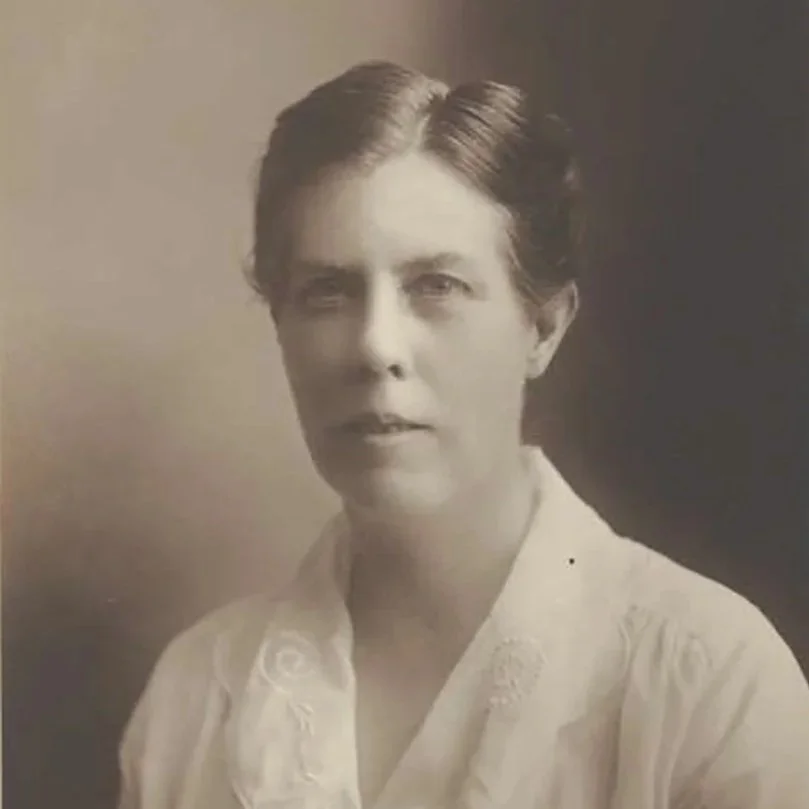
Image: Dr Roberta Jull
By the late 1920s, momentum was building to establish a residential college for women at the University of Western Australia. In 1928, the Women’s College Fund Committee was formed to lead the effort to raise funds and build support across the community.
The founding executive included Dr Roberta Jull, Mrs H. E. Whitfeld, Miss M. E. Wood, Miss Molly Kingston and Miss Margaret Fairweather. They were supported by representatives from organisations including the National Council of Women, the Women’s Service Guilds and the University Women Students’ Club.
Public figures such as Edith Cowan, the first woman elected to the Western Australian Parliament, also lent their support to the movement, strengthening its influence within the community.
These women shared a belief that access to education should not be limited by geography or circumstance. Their aim was to create a place where women could live close to the university while benefiting from intellectual exchange and a strong sense of community.
Determination through difficult times
The campaign to establish a women’s college required persistence. Members of the Women’s College Fund Committee organised fundraising events across Perth and worked closely with community organisations to build awareness and support. Bridge parties, fundraising balls and community events became important ways to gather donations and keep the vision alive.
Progress was repeatedly interrupted by world events. The Great Depression forced the committee to suspend fundraising activities for a period. The outbreak of the Second World War again delayed building plans. Despite these setbacks, the group continued to advocate for safe and affordable accommodation for women studying at the university.
Support for the project continued to grow. During the war years, Mrs Emily Pelloe donated a collection of more than four hundred wildflower paintings to the college fund. These works remain a valued part of the College’s heritage.
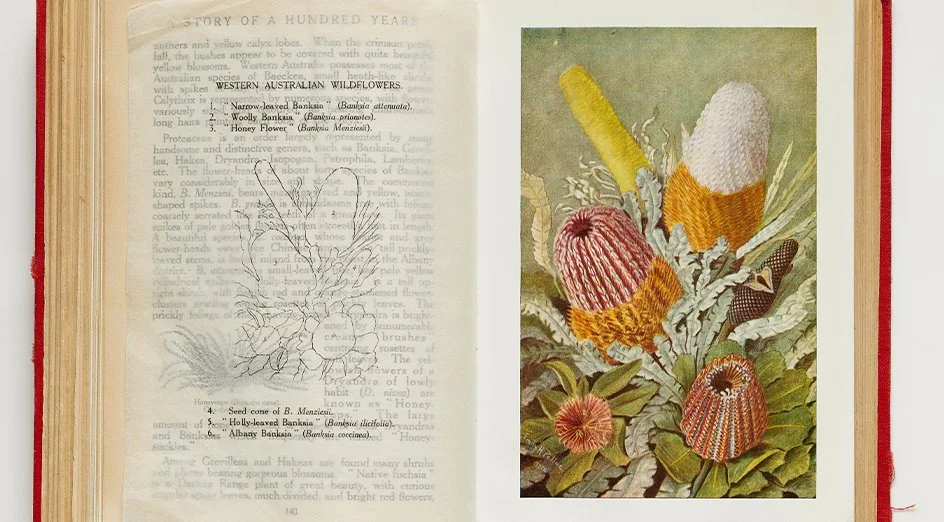
Image: Emily Pelloe, Untitled (Banksia Spp), 1926, reproduced in Hal Colebatch’s The Story of 100 Years. Photo: Robert Frith .
After nearly twenty years of leadership, Dr Roberta Jull stepped down from the committee in 1945. Her commitment had sustained the campaign through its most difficult years. The committee's leadership then continued under Mrs M. B. Johnson, who carried the work forward during the final stage of preparations.
Opening the doors
After eighteen years of effort by the Women’s College Fund Committee, the goal was finally realised.
On 6 March 1946, the University Women’s College opened on the Crawley campus with accommodation for 32 women students.
For many students, particularly those travelling from regional Western Australia, the College provided a secure place to live while pursuing university study and participating fully in campus life.
Over time, the University Women’s College evolved into St Catherine’s College, continuing the purpose first imagined by its founders.
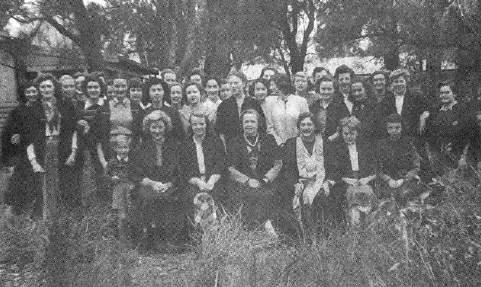
Image: The first University Woman’s College residents in 1947.
80 years of opportunity
As St Catherine’s College celebrates 80 years since its opening in 1946, the legacy of these women remains central to its story.
Their determination created opportunities for generations of students and established a residential community that continues to support learning and personal growth.
International Women’s Day offers an opportunity to reflect on the women who imagined something that did not yet exist and worked patiently to make it possible.
St Catherine’s College stands as part of that legacy.
The historical information in this article draws on the published histories of St Catherine’s College, which document the vision and dedication of the women who worked to establish a residential college for women at the University of Western Australia.
Key sources include Noel Stewart’s St Catherine’s College: From Dream to Reality and Chloe Britton’s Women of Excellence: A History of St Catherine’s College, The University of Western Australia, both of which provide detailed accounts of the individuals, community efforts and historical context that led to the College’s opening in 1946.
While every effort has been made to recognise the women who played significant roles in the College’s early history, many individuals contributed their time, leadership and support to this cause. It is possible that some remarkable women who helped advance the vision of a women’s college at UWA are not named here, and their contributions are equally valued as part of this shared history.