
Meet Dr Jayson Gill, UWA Archaeologist and St Catherine's College Resident Fellow
"Archaeology is in some ways an extension of history, one that allows us to tell unwritten stories and push back into deep time to give voices to those who would otherwise be forgotten."
It’s this idea that first drew Dr Jayson Gill to archaeology.
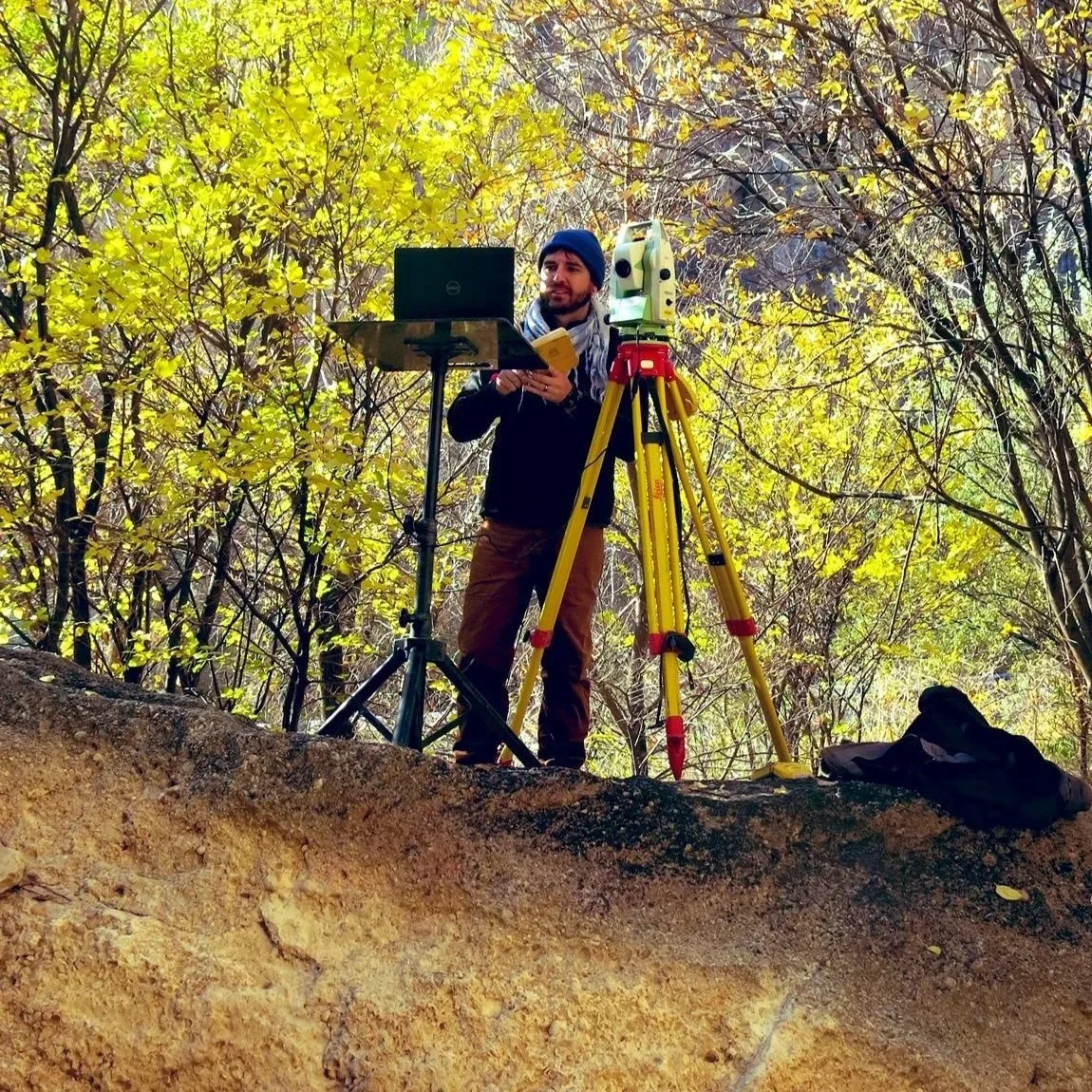
Dr Jayson Gill joins St Catherine's College as a Resident Fellow in 2026.
Joining St Catherine's College as a Resident Fellow in 2026, Dr Gill is a Lecturer in Archaeology at The University of Western Australia. His research explores how early humans lived, learned and adapted during the Pleistocene epoch, with fieldwork focused on the regions that are now modern-day Georgia and Armenia.
As Dr Gill joins the College community, we asked him about his passion for archaeology, memorable experiences in the field, and what he is looking forward to as a Resident Fellow.
Getting to Know Dr Jayson Gill
What first sparked your interest in archaeology?
"I have had an interest in history for as long as I can remember, and thought I would end up studying history in some capacity.
"Archaeology is in some ways an extension of history, one that allows us to tell unwritten stories and push back into deep time to give voices to those who would otherwise be forgotten.
"The idea of taking something seemingly as simple as a pile of stones and bones and using them to unravel the complicated behaviours of early humans is a big reason I was enamoured with archaeology and palaeoanthropology the first semester I took courses on the topics at university.
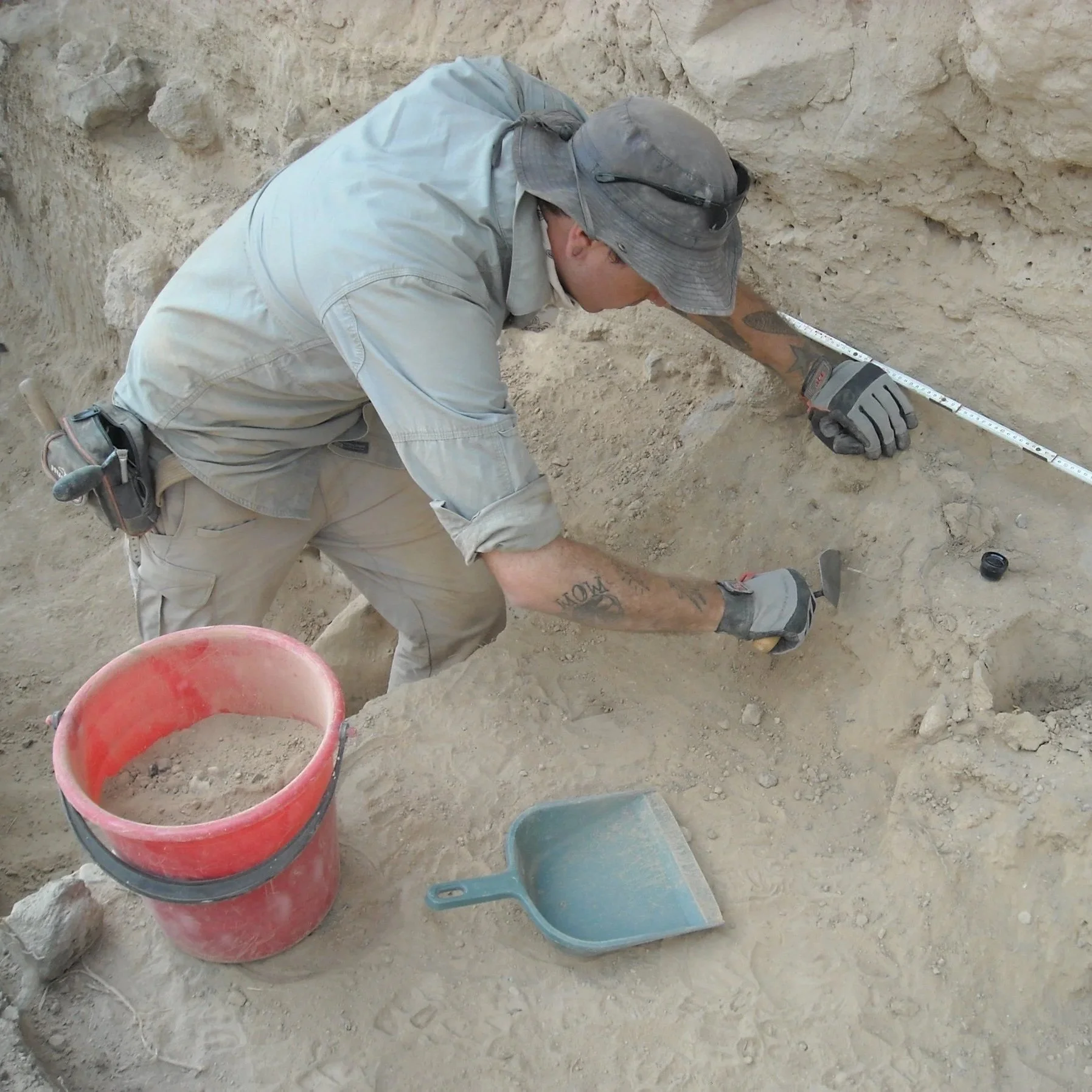
Excavating at an archaeological site.
"I truly fell in love with the discipline of archaeology from the moment I joined my first field project. The combination of the social and physical sciences with working outdoors was the perfect fit."
What's been your most memorable experience in the field so far?
"This is a rather hard question, as every moment in the field holds some significance for me. Every small find and every detail in the dirt is part of a larger puzzle, and seeing that puzzle begin to take shape is always rather memorable.
"I would like to be able to point to a specific time I found an excellent stone tool or the like, but to quote David Hurst Thomas, 'it's not what you find, it's what you find out.'
"Although, I will always hold a special place for the first time I travelled to Armenia for research. The landscape, the culture, and local colleagues and friends are all things I cherish deeply."
What's something people are often surprised to learn about early humans?
"I think the time depth of both our genus and species is something people are always surprised to hear about. Thinking in time scales of three hundred thousand or over two million years ago can be hard to comprehend based on our lived experiences.
"I think another thing that people can be surprised to learn about is the complexity of the lives of our ancestors. I chalk this up to the way that Neanderthals and other early human species are portrayed in popular media as being rather unintelligent, brutish cave dwellers with nasty, short lives.
"This is far from what we know about the rich and sophisticated lives of the different human groups that we shared the earth with for hundreds of thousands of years."
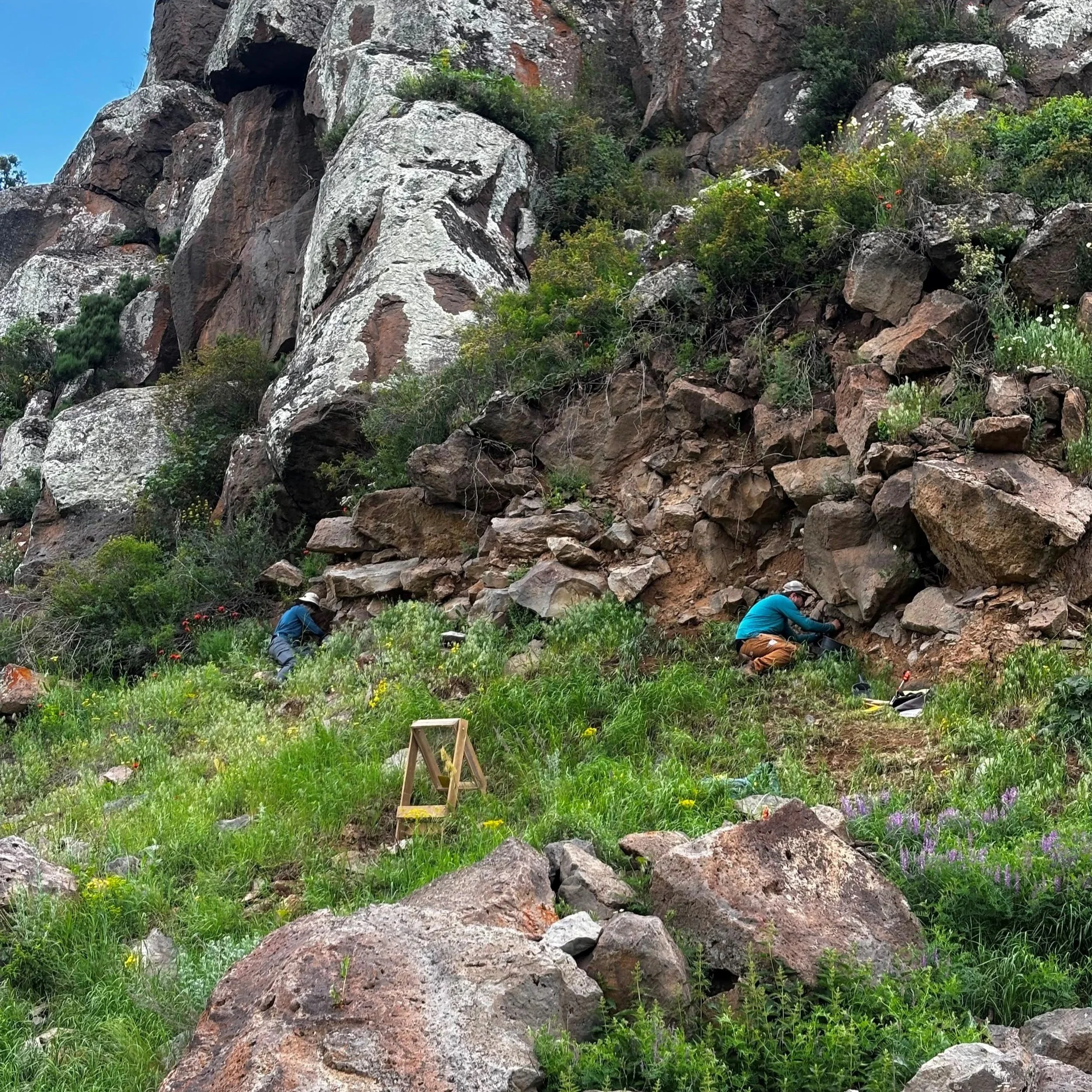
Archaeological landscape in the Caucasus region.
What are you most looking forward to about joining the St Cat's community as a Resident Fellow?
"I am most excited to meet the students and get a more in-depth understanding of the student culture at UWA. Coming from teaching in the United States, I believe this is a fantastic opportunity to become more acquainted with what I am sure are many differences between the students in the two countries.
"Having taught at large universities, small liberal arts colleges, and everything in between, I find that there is always a learning curve when adjusting how I approach teaching and mentorship.
"I feel that the greater interaction afforded to me by being Resident Fellow at St Cat's will help me gain a better understanding of the needs and goals of students at UWA.
"Since I have never worked at a university with a residential college before, I am also excited for a new life experience."
Learn more
Read Dr Jayson Gill's full Resident Fellow profile to learn more about his research, teaching and academic background.
You can also explore the Resident Fellows Program and discover how Fellows enrich academic life at St Catherine's College through mentoring, subject expertise and informal support for residents.
Learn more about living at St Catherine's College or book a tour.