
Engineering the Impossible: The Story Behind One of the World’s Largest Engineering Marvels
Engineering residents at St Catherine’s College had the opportunity to connect their university studies with real-world industry at Wild Engineering, part of the College’s Insight Series. The session introduced residents to the extraordinary engineering behind Pioneering Spirit, the world’s largest construction vessel, and the people working on complex offshore engineering projects.
Capable of lifting entire offshore platform structures weighing tens of thousands of tonnes, the vessel represents a dramatic leap in engineering innovation. Through presentations from industry experts Caspar van Strijp, Unit Head of Engineering at Allseas Malaysia, and Steve Stenvers, founder of RisX Group, residents were given an opportunity to explore the scale, creativity, and complexity behind offshore engineering projects that reshape the boundaries of what technology can achieve.
The evening combined professional insight with an engaging atmosphere, sparking conversations about engineering innovation, sustainability, and the future of offshore energy systems.
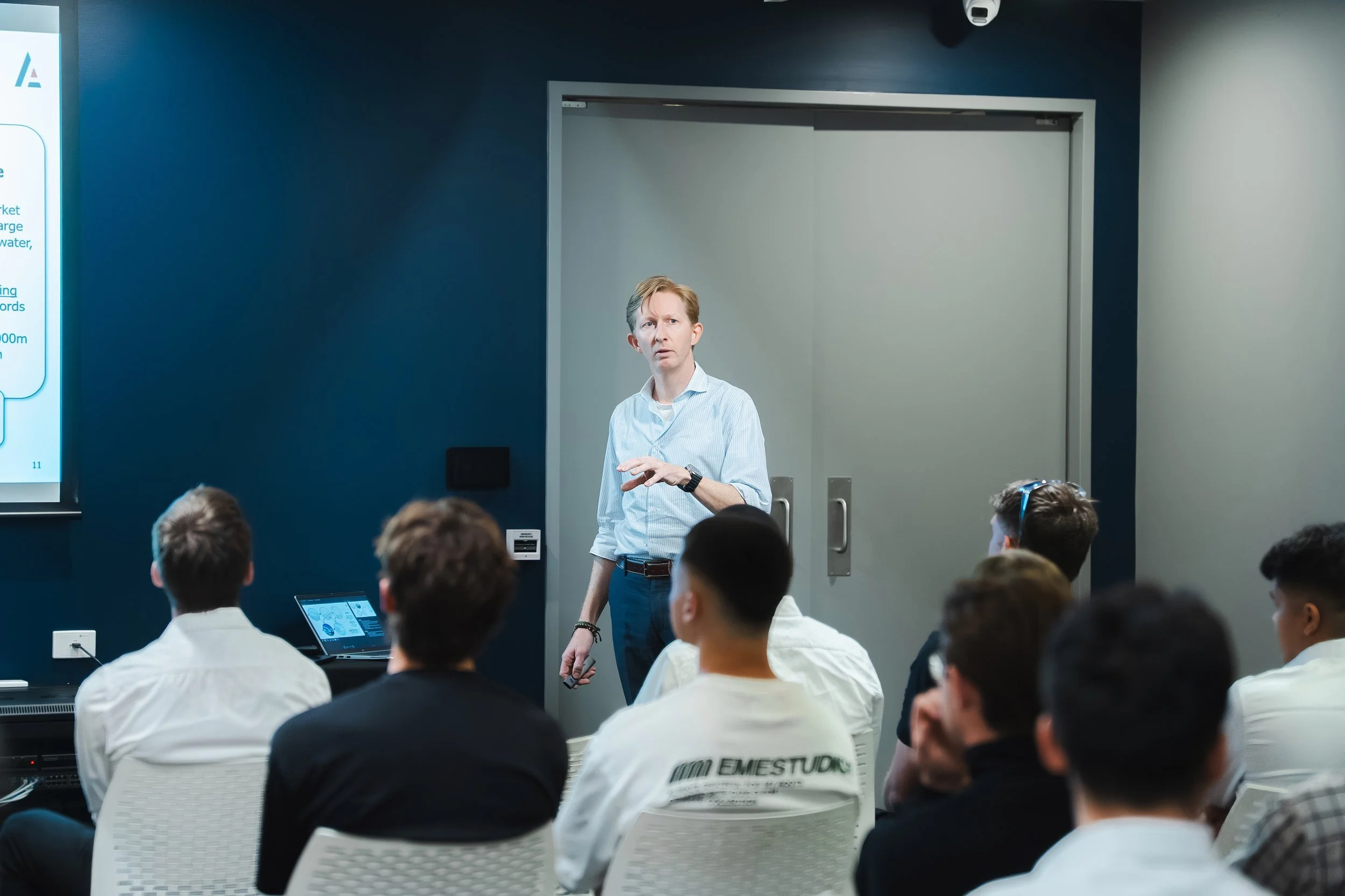
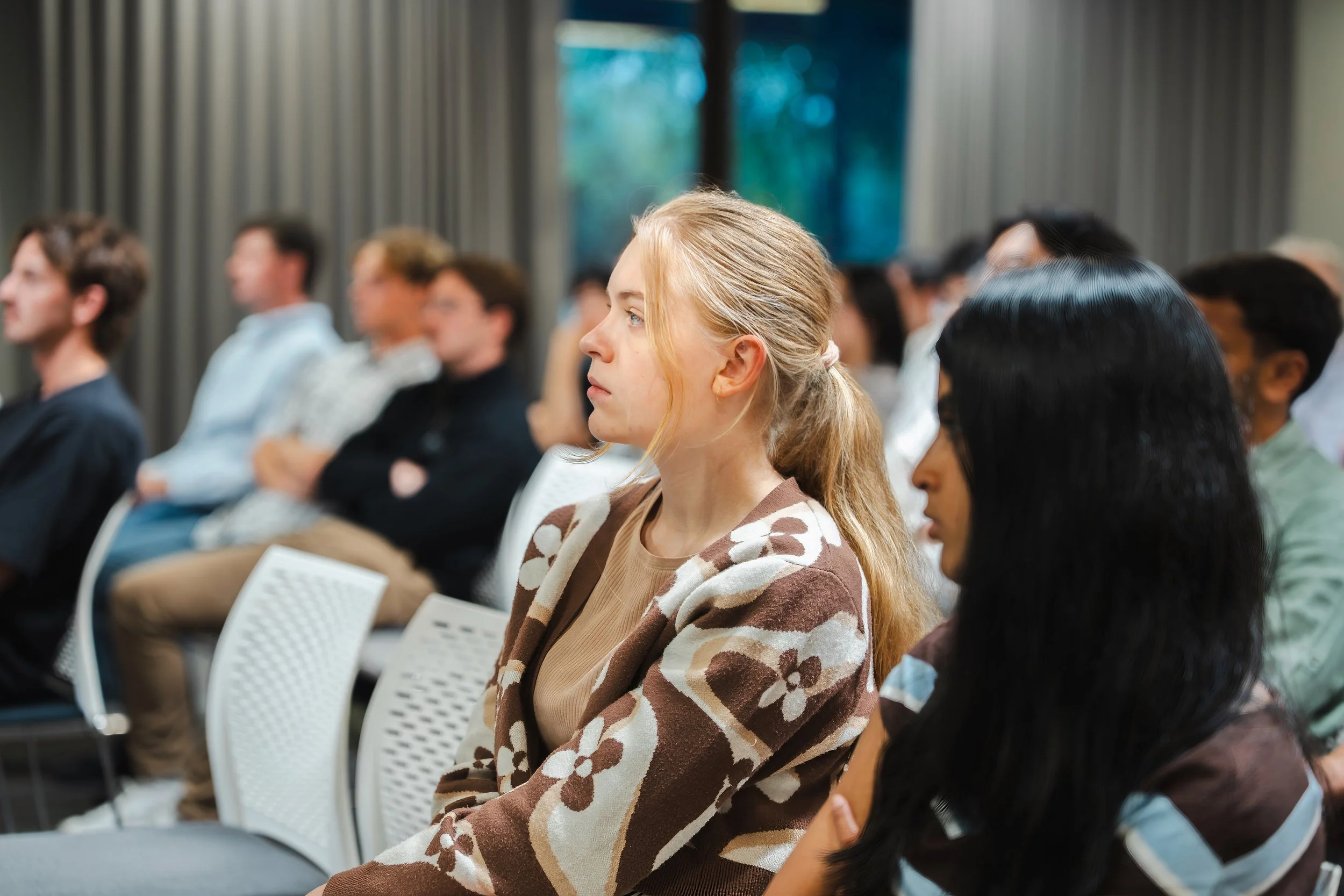
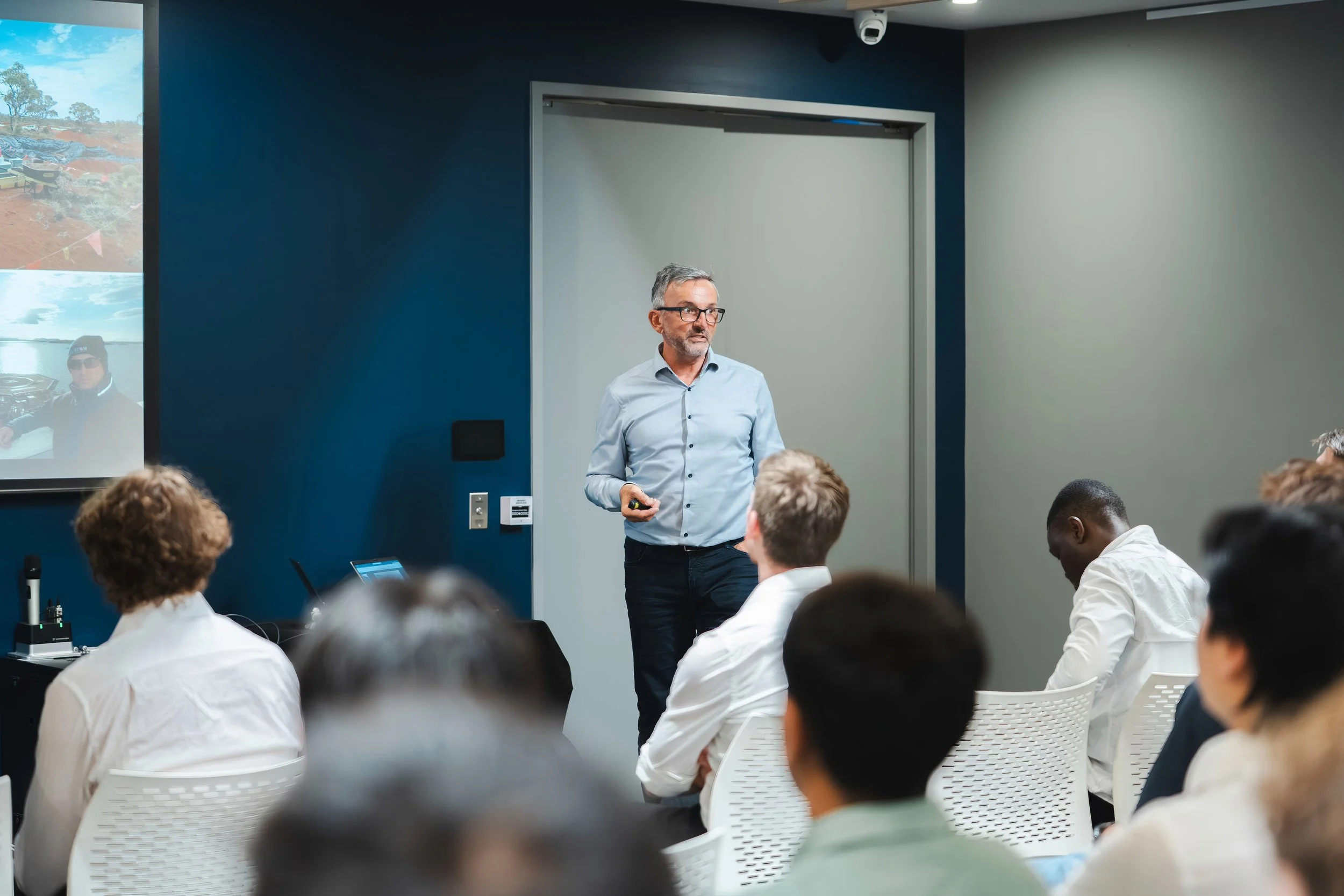
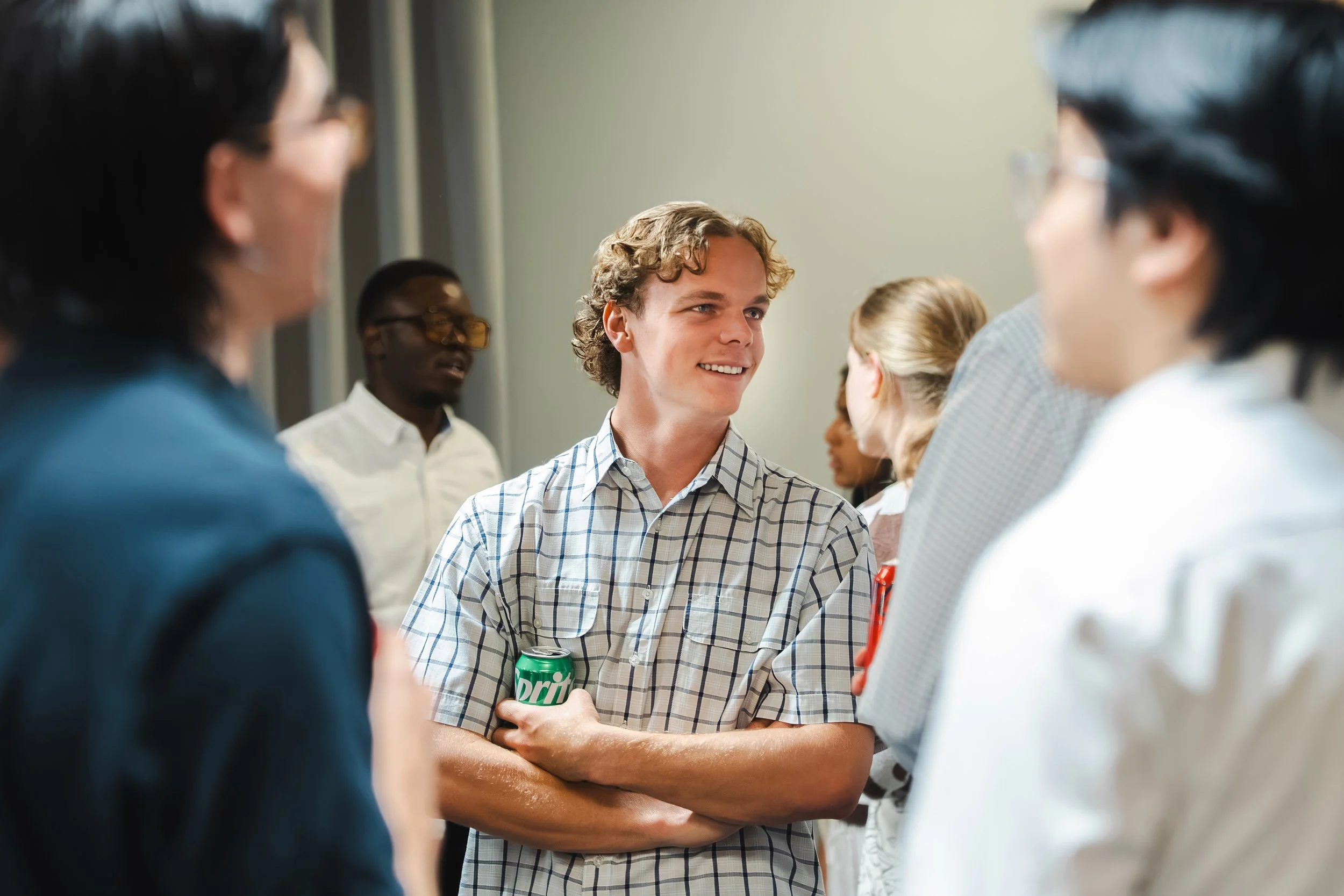

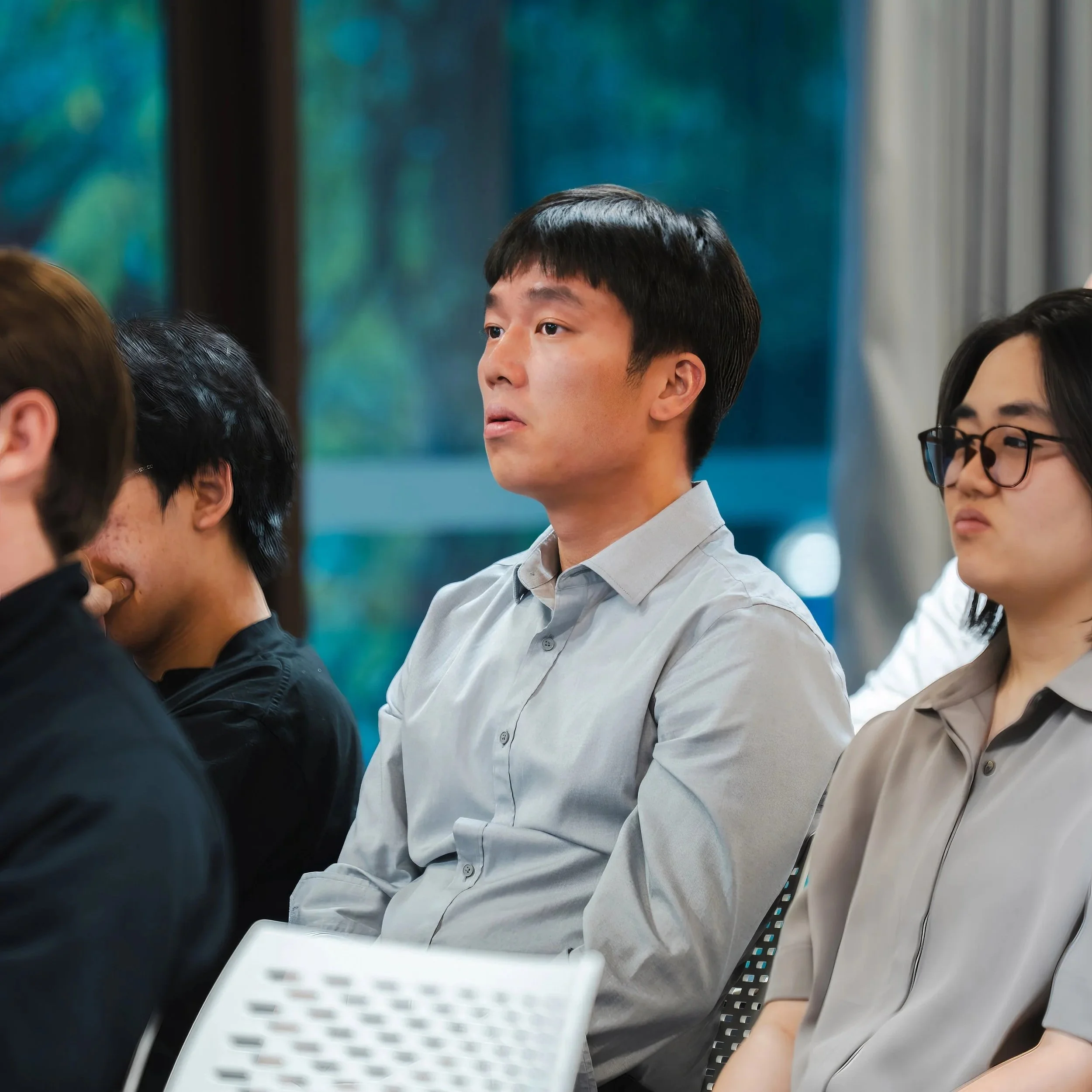
A relaxed start to an inspiring evening
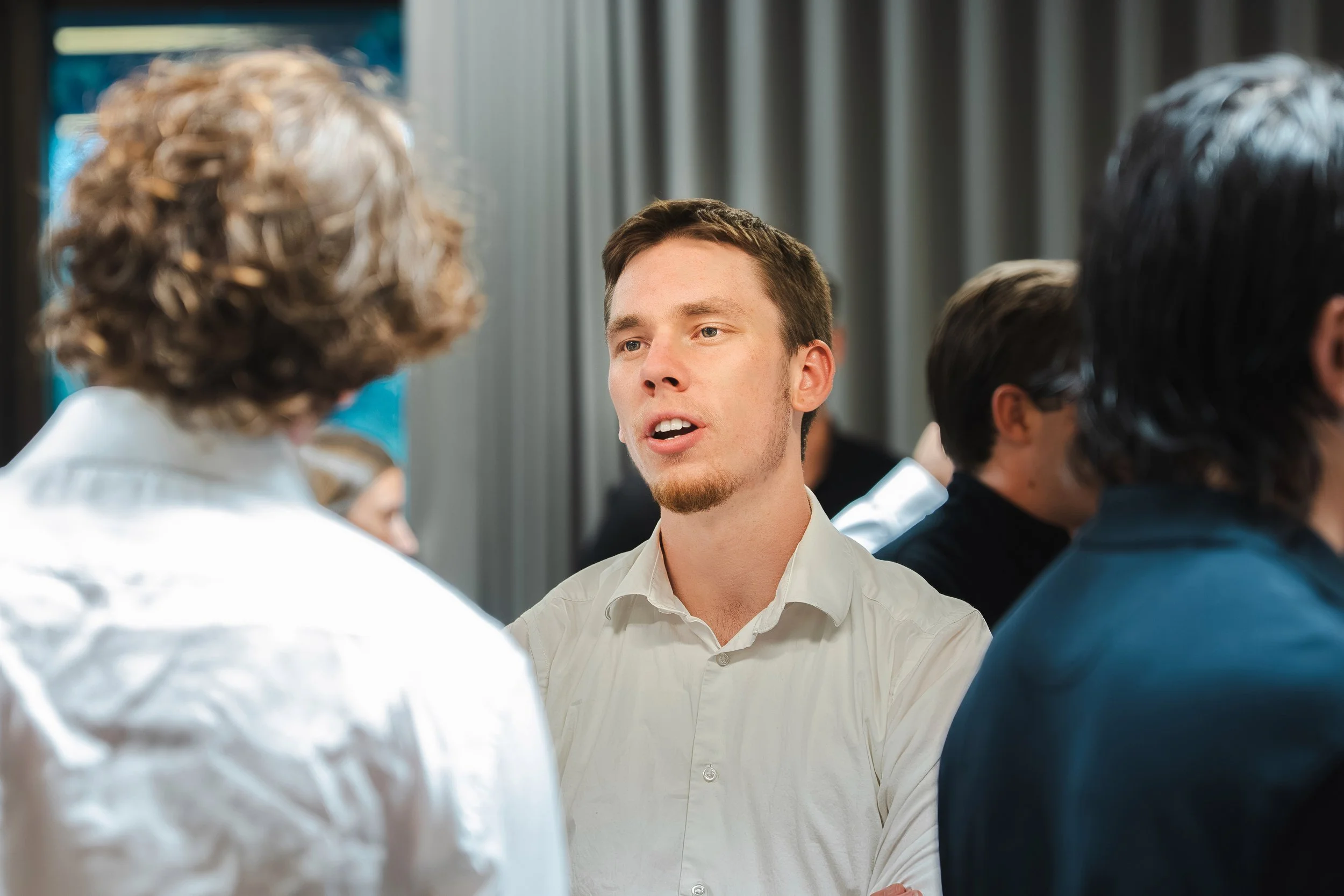
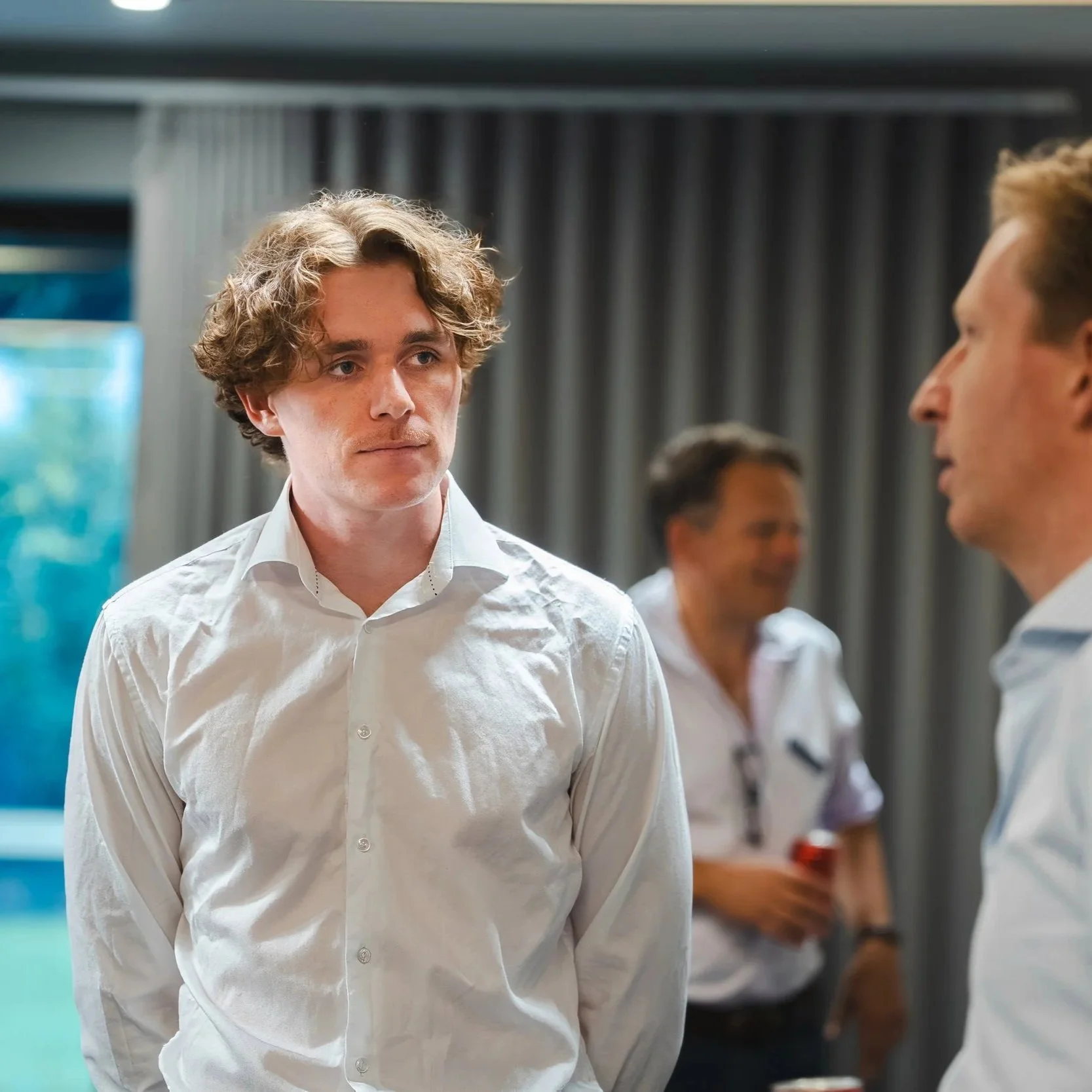
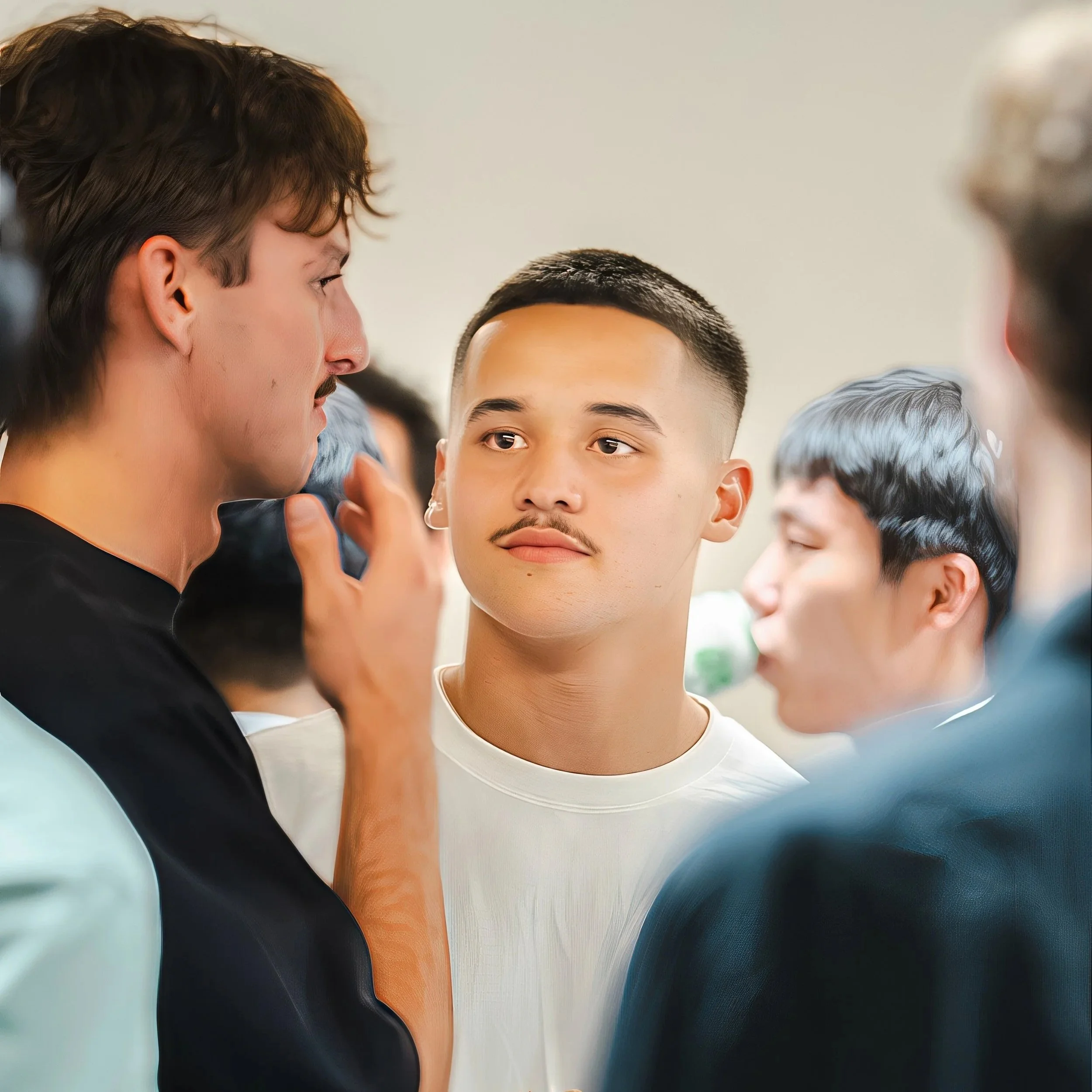
Before the presentation began, the seminar room buzzed with informal conversation. Residents gathered and introduced themselves to one another and to the guest speakers. The mood was relaxed and welcoming, allowing attendees to connect before the technical discussion began.
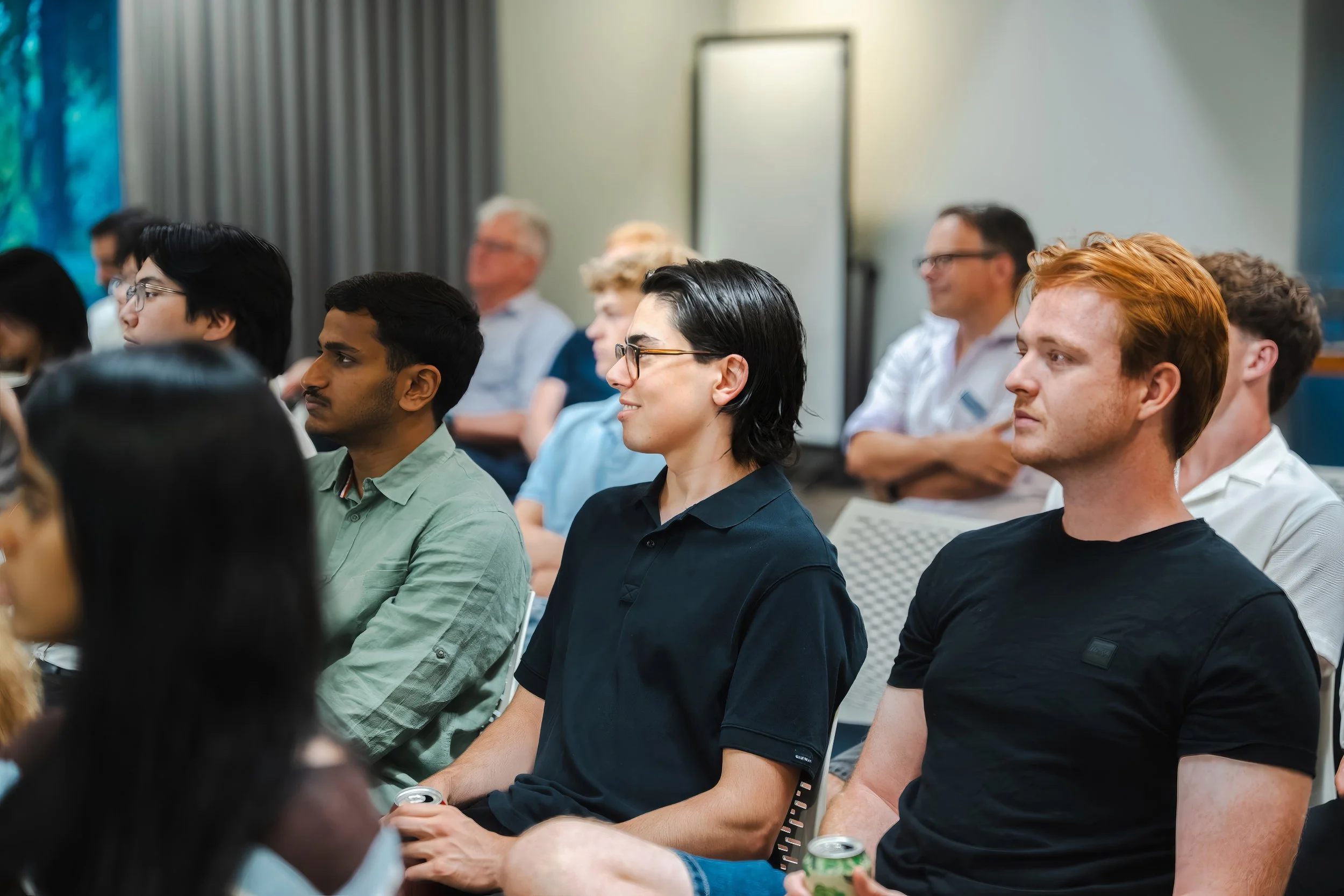
As the presentation started, the atmosphere gradually shifted from casual conversation to focused curiosity. Residents settled into their chairs facing the presenters, eager to learn more about the massive engineering projects they were about to see.
Engineering the deep sea: Hidden Gem
The speakers began by introducing residents to a frontier in large-scale marine engineering for seabed mineral exploration and collection. The ship, originally built for another purpose and later converted for deep-sea operations, measures approximately 228 metres in length and 42 metres in width. The vessel is designed to support
specialised subsea equipment capable of collecting polymetallic nodules, mineral-rich rocks that lie scattered across the deep ocean floor.
Operating thousands of metres beneath the ocean surface presents extraordinary engineering challenges. During the talk, the speakers explained how robotic collector vehicles travel along the seabed to gather nodules, which are then transported through long vertical riser pipes back to the vessel above. Some of these operations take place at depths of more than four kilometres below the ocean surface, requiring advanced robotics, pumping systems, and precision navigation technologies.
“We’re talking about operating systems nearly four kilometres below the surface. That requires entirely new engineering solutions.”
Designing machinery that can function reliably under immense water pressure, darkness, and unpredictable seabed conditions requires innovations in robotics, materials science, and subsea engineering.
However, the topic also raised important environmental considerations. As the speakers noted, large-scale deep-sea mining is still under development, and international regulations governing continuous mining operations are still evolving. Currently, only limited testing and exploration activities are permitted while scientists and regulators continue to assess potential ecological impacts on deep-ocean ecosystems.
The discussion highlighted an important theme running throughout the evening: engineering breakthroughs often exist at the intersection of technological capability, environmental responsibility, and global resource demand. For residents attending the talk, the mining vessel provided a compelling example of how engineers must navigate not only technical challenges but also sustainability questions when developing new technologies.
Meet the giant: Pioneering Spirit
At the centre of the evening’s discussion was the extraordinary vessel Pioneering Spirit, operated by the offshore engineering company Allseas.
Measuring an astonishing 382 metres in length, the vessel is recognised as the largest construction ship ever built. Yet its significance lies not only in its size, but in its unique capability: the ability to lift entire offshore platform topsides directly from their foundations at sea.
“Instead of dismantling a platform piece by piece over months, this vessel allows us to lift the entire structure in a single operation.”
Traditionally, offshore oil and gas platforms must be dismantled section by section during decommissioning, a process that can take months and involve significant operational risk. Pioneering Spirit transforms this process. Using an advanced lifting system built into its twin-hull design, the vessel can remove entire platform topsides in one operation.
capable of lifting up to 60,000 tonnes, the vessel represents a revolutionary approach to offshore infrastructure removal and installation. For many residents attending the event, the sheer scale of these operations was one of the most impressive aspects of the presentation.
Engineering at an unprecedented scale
Caspar van Strijp provided valuable insight into the engineering behind the vessel and the challenges faced in developing such an ambitious project. Having worked directly on engineering components of Pioneering Spirit, he described the level of precision required when designing systems that must perform reliably in unpredictable ocean conditions.
Operating offshore presents unique engineering challenges. Structures must withstand powerful waves, harsh weather conditions, and extreme mechanical loads. Designing equipment that can safely lift tens of thousands of tonnes while maintaining stability at sea requires complex modelling, advanced materials, and rigorous safety protocols.
“When you’re lifting tens of thousands of tonnes in the middle of the ocean, every detail matters. Precision and planning are absolutely critical.”
The vessel represents a sophisticated integration of multiple engineering disciplines, including structural engineering, hydrodynamics, heavy lifting technologies, and marine systems design. Through diagrams and project examples presented during the talk, residents gained a clearer understanding of how these engineering principles come together in real-world offshore operations.
Decommissioning offshore infrastructure
A major focus of the presentation was the role of Pioneering Spirit in offshore platform decommissioning, an increasingly important challenge for the global energy industry.
Many offshore oil and gas installations built during earlier decades are now approaching the end of their operational lifespans. Safely removing these structures from the ocean requires advanced technology and careful planning.
By enabling entire structures to be lifted in a single operation, Pioneering Spirit significantly reduces the time, cost, and complexity associated with traditional decommissioning methods.
Such technological advances are becoming increasingly important as countries worldwide address ageing energy infrastructure.
What “wild engineering” really means
The evening’s theme, Wild Engineering, captures the spirit of projects that challenge conventional thinking and expand the limits of engineering capability.
Rather than gradual improvements, wild engineering involves bold ideas that require new approaches, creative problem-solving, and ambitious design. Building a vessel capable of lifting entire offshore platforms required engineers to rethink traditional construction methods and develop entirely new technological solutions.
The ship’s distinctive twin-hull structure, massive lifting beams, and advanced stabilisation systems demonstrate the innovation required to turn an ambitious concept into a working machine.
For residents studying engineering, sustainability, and technology-related fields, the presentation illustrated how engineering operates on scales far beyond typical classroom examples.
Innovation driven by a family company
Another aspect that resonated strongly with me was the story behind Allseas, the company responsible for Pioneering Spirit and Hidden Gem.
Despite operating some of the most technologically advanced vessels in the world, Allseas remains a family-founded and family-led company. This entrepreneurial foundation has allowed the organisation to pursue ambitious engineering solutions that might otherwise have been considered too risky.
The speakers emphasised how the company’s culture, with an innovation team of more than 200 people, encourages creativity and experimentation, enabling engineers to explore ambitious ideas that push the limits of offshore technology. For me, this combination of entrepreneurial leadership and engineering innovation was both surprising and inspiring.
Engineering and sustainability
While offshore engineering has historically been associated with fossil fuel extraction, the technologies discussed during the event also play an important role in improving environmental outcomes.
Many of the engineering techniques developed for offshore construction are also being applied to emerging sectors such as offshore wind energy, subsea infrastructure, and other large-scale marine projects.
This demonstrates how engineering expertise developed in one industry can contribute to broader transformations in global energy systems.
Engaged discussion and thoughtful questions
Throughout the presentation, residents remained highly attentive, clearly fascinated by the scale and complexity of the engineering challenges being described.
The session concluded with a lively discussion as several attendees asked thoughtful questions about offshore operations, engineering careers, and the future of large-scale infrastructure projects.
Residents’ strong engagement reflected the value of events that connect academic learning with real-world industry experience.
Inspiration for future engineers
Events such as the Insight Series play a valuable role in connecting residents with professionals working at the forefront of engineering innovation. Hearing firsthand experiences from engineers involved in groundbreaking projects allows residents to see how theoretical knowledge translates into real-world technological achievements.
Projects like Pioneering Spirit demonstrate that engineering is not simply about solving technical problems; it is also about imagining possibilities that once seemed impossible.
Looking ahead
As global energy systems evolve, engineering innovation will remain essential in addressing both emerging challenges and legacy infrastructure. Technologies that enable safer installation, maintenance, and decommissioning of offshore structures will play a critical role in shaping the future of the energy industry.
The Wild Engineering session of the Insight Series offered residents an inspiring glimpse into this dynamic field. Through stories of massive vessels, ambitious designs, and creative engineering solutions, the event highlighted the remarkable potential of human ingenuity in tackling complex challenges.
For those who attended, the evening reinforced a powerful message: the future of engineering lies not only in improving existing systems, but also in daring to design the extraordinary.
A civil engineering resident’s perspective
Civil engineering resident Pumalo Mpofu reflects on what stood out to him, from safety and coordination systems to the challenge of operating massive vessels and equipment kilometres below the ocean surface.
For St Catherine’s resident and civil engineering student Pumalo Mpofu, the session connected directly with his own experience working on construction projects.
“For me as a civil engineering student, what I was really interested in was the safety and coordination systems.”
What stood out was not only the scale of the vessels and subsea equipment, but the planning required to make highly complex operations work safely.
“How do you coordinate it? How do you plan that? That was quite an interesting takeaway for me.”
For Pumalo, Wild Engineering showed how engineering relies on coordination, planning and teamwork as much as technical knowledge, particularly when projects operate at extraordinary scale.
Explore more engineering at St Cat’s
Read how former St Catherine’s resident and Fulbright Scholar Caleb Adams took his engineering studies from UWA to MIT, or explore our Faculty & Industry Dinner: The Future of Energy, connecting residents with leaders across engineering, energy, infrastructure and research.
About the Author
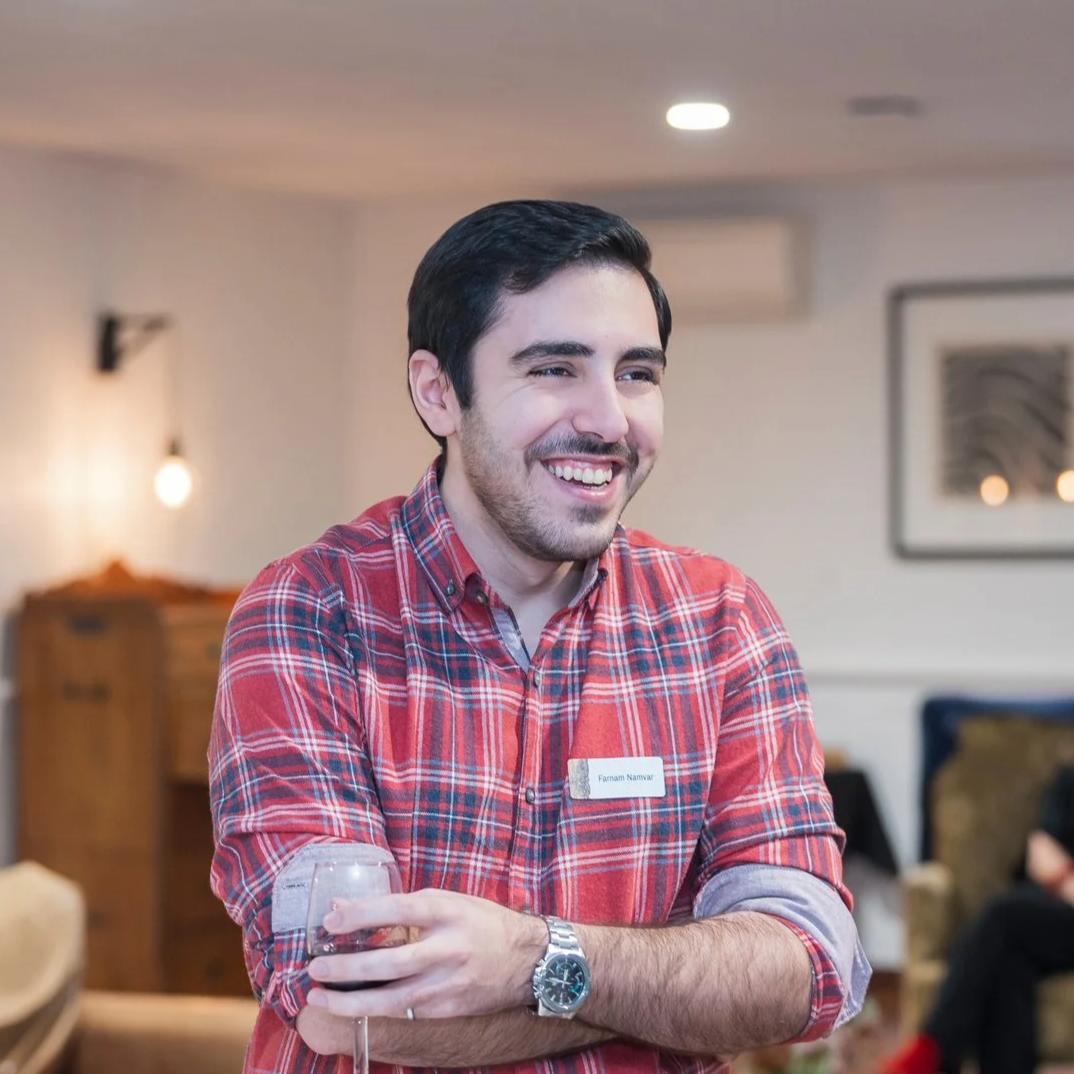
Farnam Namvar is a resident at St Catherine’s College. Originally from Iran, Farnam is studying a Master of Renewable and Future Energy at UWA. He has a keen interest in sustainability, green architecture, and energy policy.